
Feedback: what remains of a correction a week later?

A manager can explain a correction, check understanding and document it without knowing what the employee will later be able to recall. The managerial question is specific: does actively recalling a correction help people retain it better than rereading the written summary?
What the literature establishes
Henry L. Roediger III and Jeffrey D. Karpicke (2006, Psychological Science) compared repeated study of texts with sequences that included recall from memory. In their experiments, repeated study favoured immediate recall, whereas retrieval favoured retention on delayed assessments. These findings distinguish two things that a feedback conversation may conflate: having information in front of you and being able to retrieve it later.
Recall is not enough if the error persists
Andrew C. Butler and Henry L. Roediger III (2008, Memory & Cognition) studied feedback accompanying multiple-choice tests. Feedback increased the benefits of testing for retention and reduced the subsequent reproduction of incorrect answers presented among the options. For workplace conversations, this mechanism suggests a hypothesis worth testing: ask the employee to recall the correction, then check that recall, rather than allow an inaccurate account to become the reference point.

The premature conclusion
It would be tempting to conclude that every feedback conversation should end with a knowledge test. These studies establish neither the effectiveness of such a managerial routine nor its acceptability within a hierarchical relationship. Voluntary, private recall intended to consolidate learning is not the same as questioning used to judge an employee. (our executive and employee training programmes)
What these data cannot promise
The experiments concern the retention of content, not the quality of workplace conversations or performance in a Geneva organisation. Remembering a correction guarantees neither recognising when it applies nor having the means to carry it out. In SHR's « L'art du feedback » programme, this distinction can help separate three checks: understanding during the conversation, remembering afterwards and acting correctly in context.
A practical check in Genève
In Geneva, a trial could focus on a non-sensitive procedural correction: documenting a private banking file, approving a briefing note in an international organisation, maintaining traceability in luxury watchmaking or passing on an instruction in commodity trading. Following comparable feedback, randomly assign either rereading the summary or recalling it without support and then checking it against the same summary, allowing equal time. One week later, measure the proportion of corrections recalled unaided against a predefined scoring guide, then the proportion correctly applied in an unfamiliar simulated case. This proposed protocol, rather than an established Geneva finding, would help determine whether recall offers a local benefit beyond simply rereading. To go further: explore the The Art of Feedback training in Geneva in the canton of Geneva, or browse our executive and employee training programmes in Switzerland.
In pictures: The Art of Feedback in Geneva


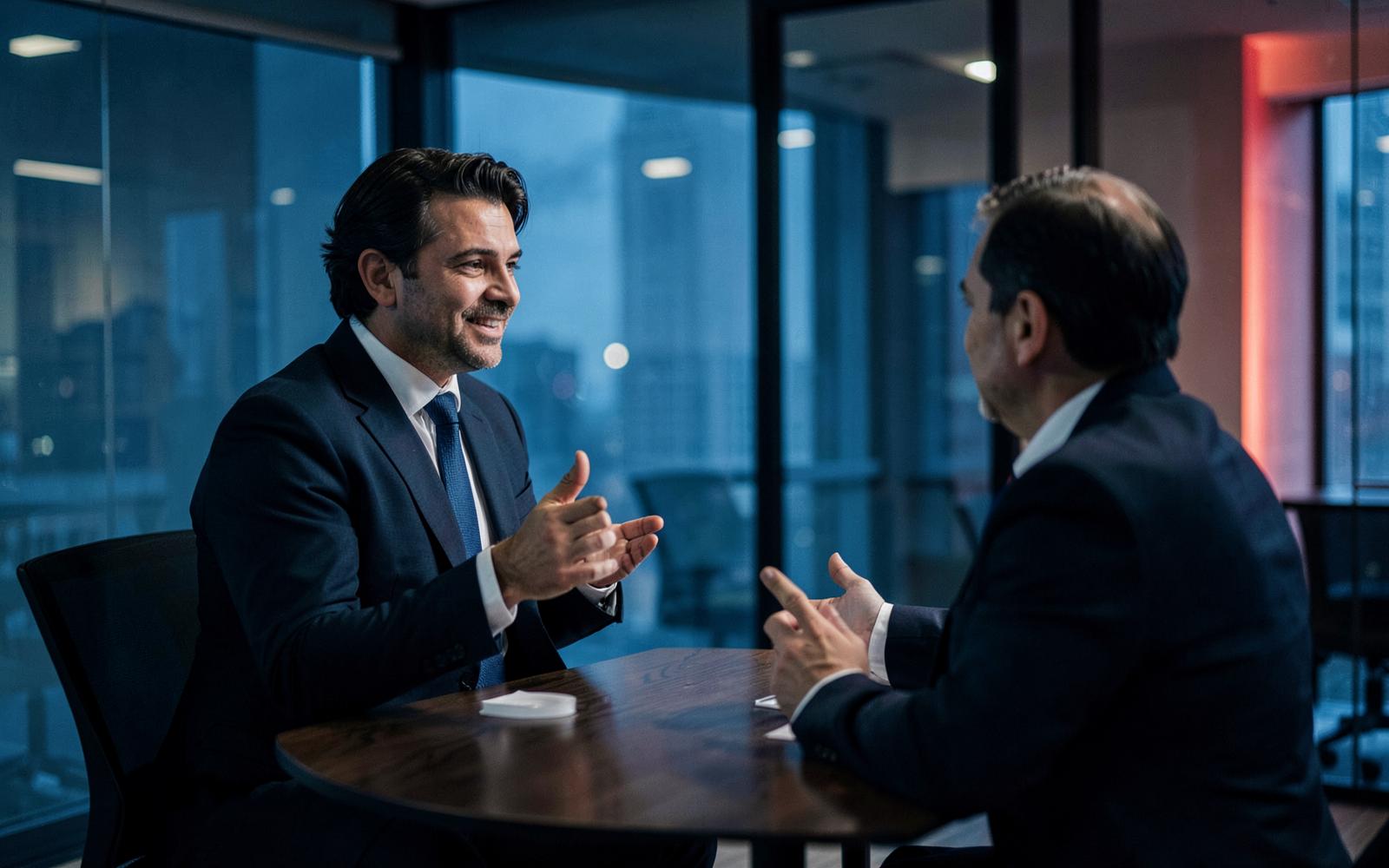
- the art of feedback
- Geneva
- research
- training geneva