
Public speaking in Berne: does an image illustrate or prove?
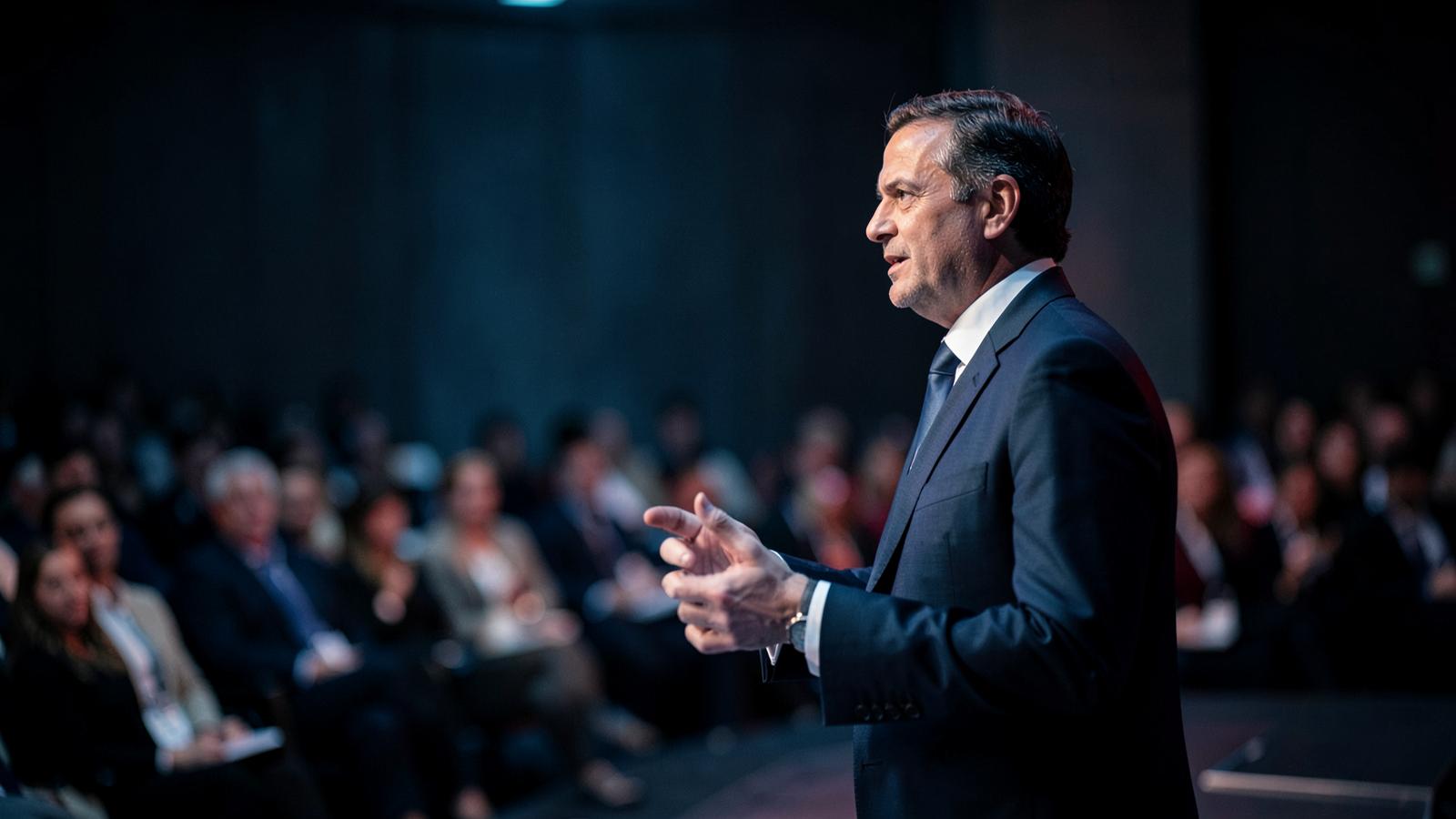
In professional presentations, images are often chosen to make a proposal tangible. The more precise management question is whether an illustration helps a committee assess the recommendation or merely gives it an appearance of validity.
What the literature establishes
Eryn J. Newman, Maryanne Garry, Daniel M. Bernstein, Justin Kantner and D. Stephen Lindsay (2012, Psychonomic Bulletin & Review) showed that photographs related to a claim, but unable to establish its truth, could increase the tendency to judge it true. The image therefore did not necessarily provide evidence. This finding distinguishes two functions often conflated in presentations: depicting the subject and substantiating what is said about it.
When the format looks like evidence
David P. McCabe and Alan D. Castel (2008, Cognition) observed in their experiments that the presence of brain images could improve evaluations of the scientific reasoning presented in articles. Their study concerned a particular kind of representation, not every professional illustration. It nevertheless invites scrutiny of what audiences attribute to a visual: information they can use to assess a claim, or the appearance of direct access to the phenomenon described.

The premature conclusion
One might conclude that a rigorous presentation should dispense with images; these studies do not justify that rule. A photograph of a defect can document an observation, whereas a generic photograph of a machine does not demonstrate a process’s reliability. The useful distinction is not between text and image, but between illustration, documented observation and evidence relevant to the proposition being defended. (our executive and employee training programmes)
What the evidence does not establish
These experiments do not directly measure decisions made by committees in Berne dealing with real cases. They do not establish a uniform effect across photographs, charts and diagrams, or guarantee that an “illustration” label will neutralise an impression of truth. One common practice therefore deserves scrutiny: approving a presentation because it looks convincing without checking which elements actually support its recommendation.
A practical check in Berne
Within SHR’s “Public Speaking & impact” programme, one possible exercise is to prepare two versions of the same presentation, with and without a nonprobative photograph, keeping the data, script and duration identical. In Berne, the case could concern a federal administration service, a public health measure, a telecom rollout or a precision manufacturing process. Randomly assigning participants to the versions, then individually recording their support for the recommendation and their answer to “Which element of the material justifies your choice?” makes it possible to compare judgements and the proportion of responses invoking the image as evidence. Any difference would be a local signal to investigate, not a general demonstration; above all, the exercise makes the visual’s actual role in the argument open to scrutiny. To go further: explore the Public Speaking & Impact training in Bern in the canton of Bern, or browse our executive and employee training programmes in Switzerland.
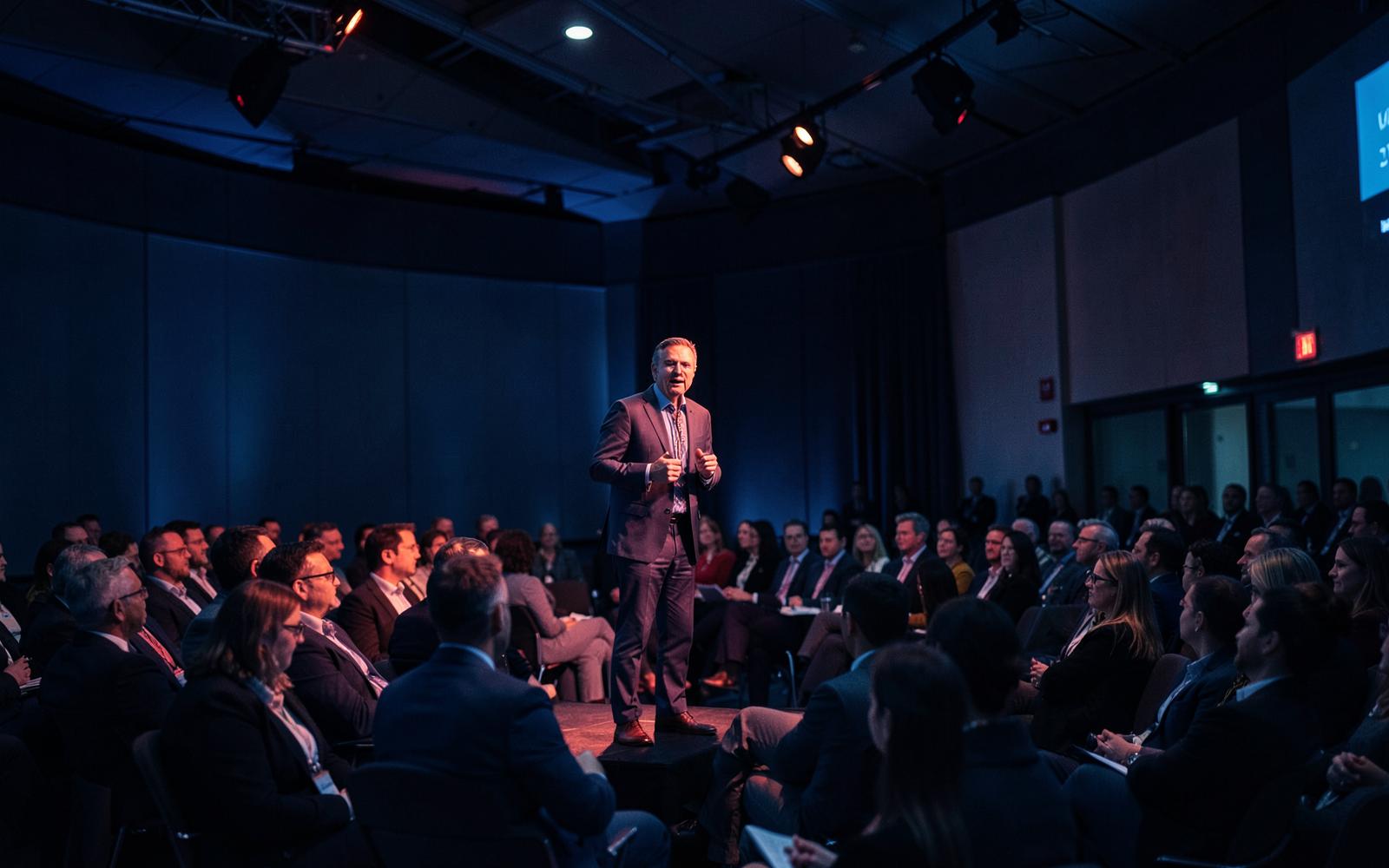
In pictures: Public Speaking & Impact in Bern

- public speaking & impact
- Bern
- research
- training bern