
Public speaking: what research says about apprehension

Speaking apprehension affects a large share of workers, including experienced executives. What is known about ways to reduce it?
A measured phenomenon
Graham Bodie (2010, Communication Education) reviews work on public-speaking apprehension: it combines a dispositional component and a situational reaction. Surface techniques — breathing alone, positive visualisation — show weak, unstable effects.
What works
Meta-analyses of interventions conclude that gradual, repeated exposure — speak, receive feedback, repeat — produces the most durable reductions in apprehension. Purely cognitive approaches without real practice yield weaker results.

The limits
Many studies involve university students, and measures often rely on self-report. Transposing to high-stakes professional speaking is a reasonable extrapolation, not a certainty. (our executive and employee training programmes)
What follows for training
Effective training organises filmed repetitions with structured feedback, rather than a theoretical course on rhetoric. Progress is measured on actual speaking time and peer-rated quality, not on a satisfaction score.
A practical implication, verifiable in Basel
Have each participant speak three times in the same day, with feedback on a single point each round. The gap between the first and third talk is the best progress indicator. It is the format we use with Basel teams. To go further: explore the Public Speaking & Impact training in Basel in the canton of Basel-Stadt, or browse our executive and employee training programmes in Switzerland.
In pictures: Public Speaking & Impact in Basel


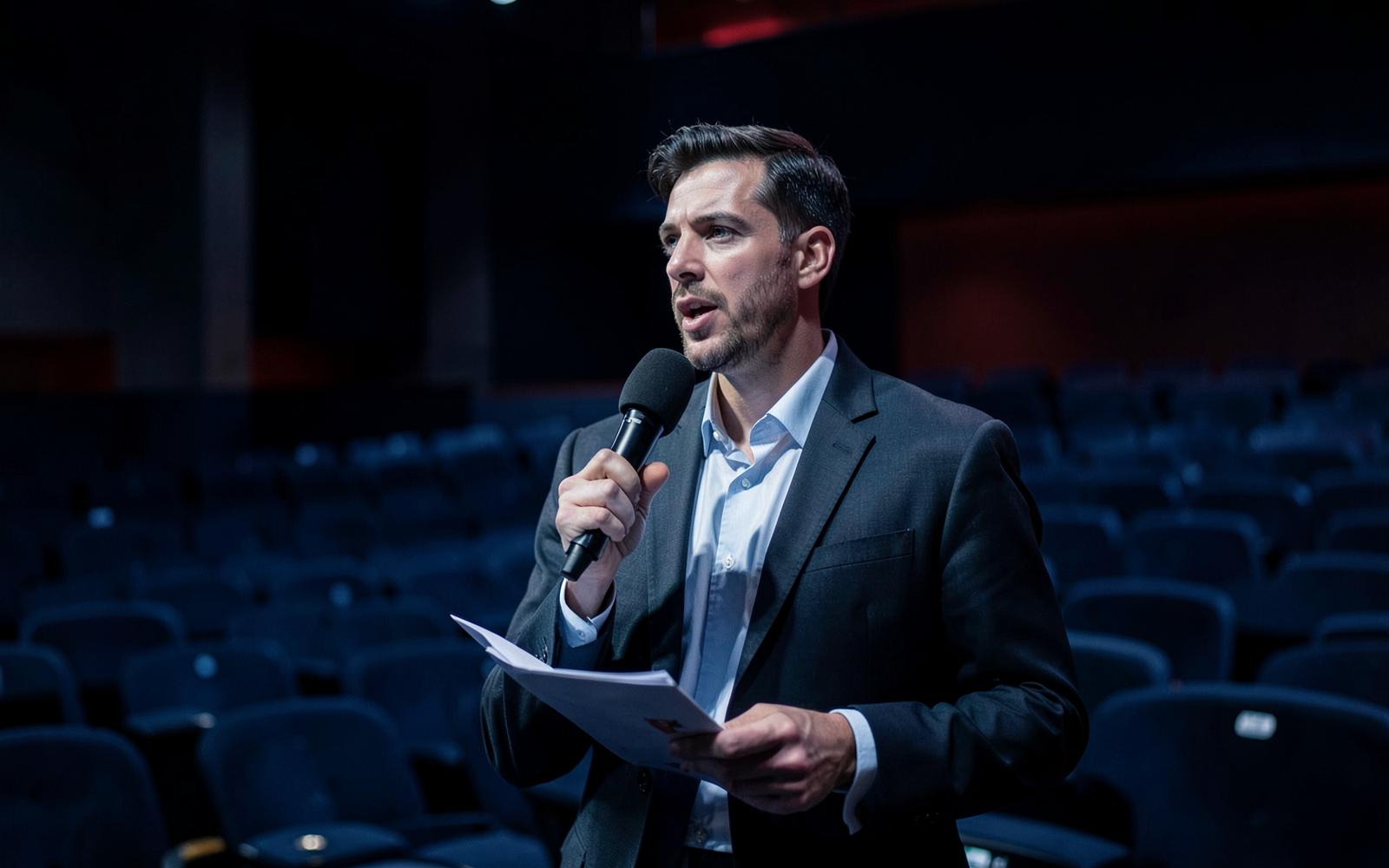
- public speaking & impact
- Basel
- research
- training basel