
Does asking for advice undermine a manager’s credibility?
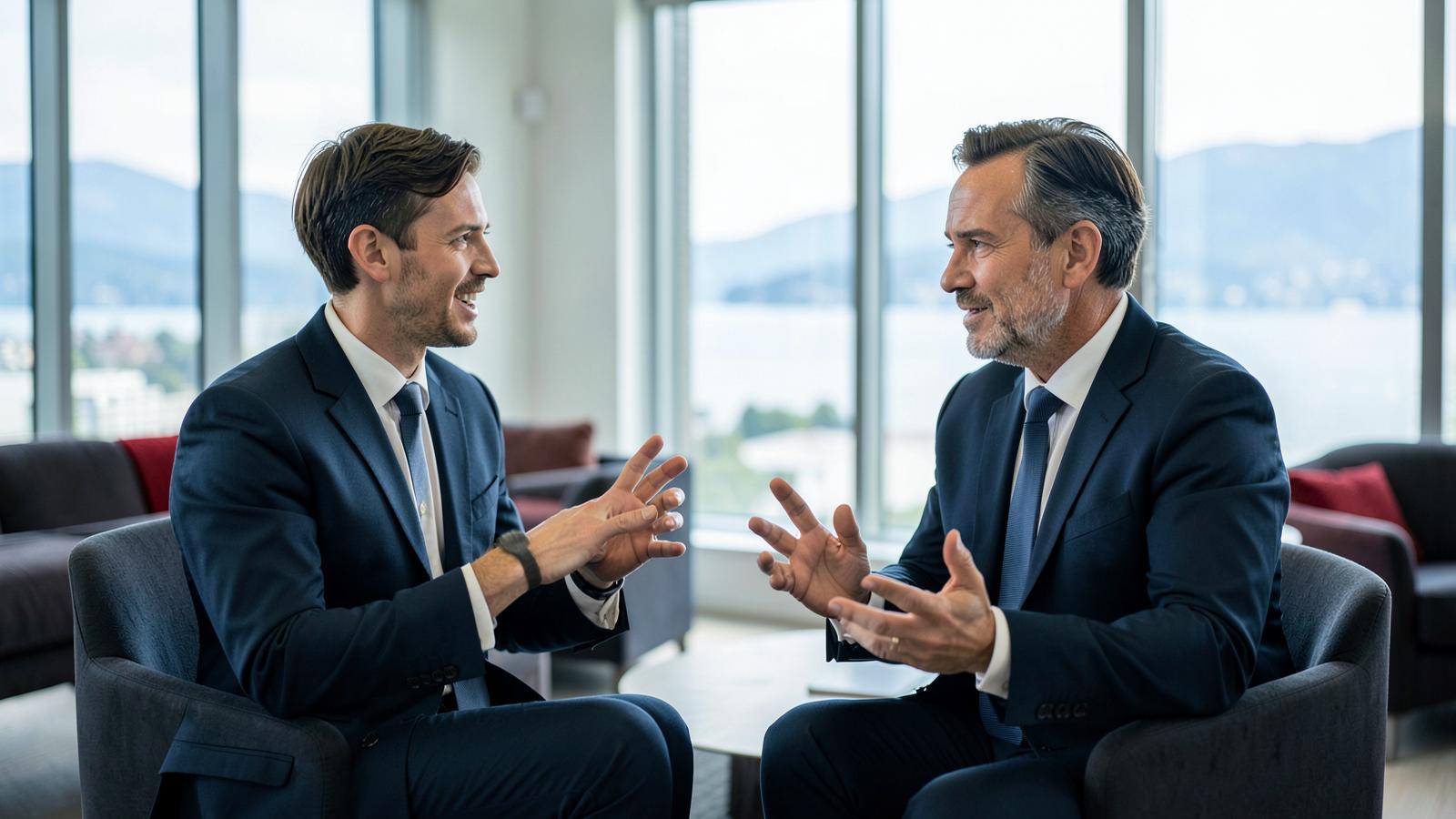
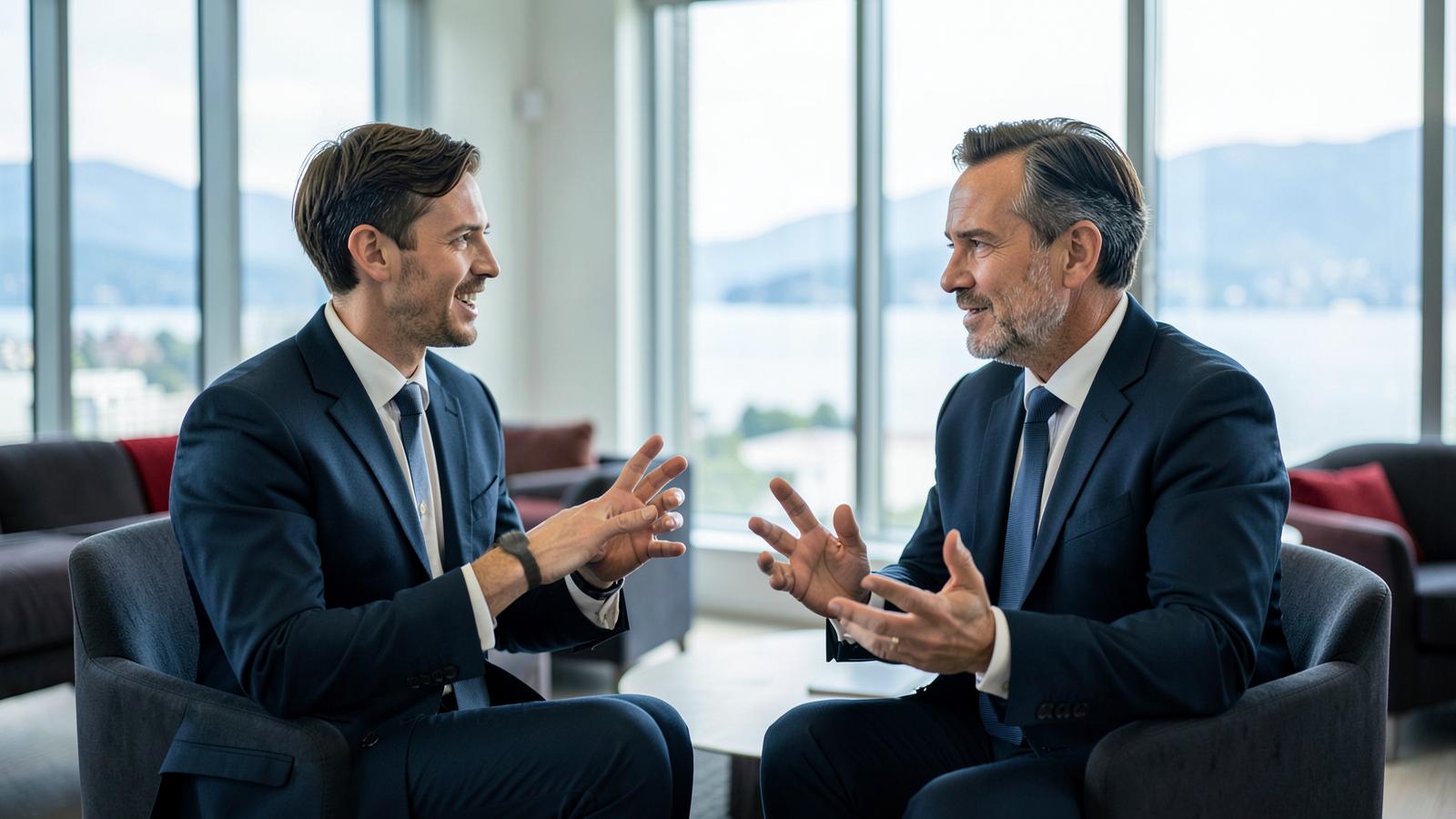
A manager who asks for advice reveals a limit to their knowledge, but also acknowledges the other person’s expertise. The managerial question is precise: does asking for advice before deciding undermine the competence attributed to them?
What the literature establishes
Alison Wood Brooks, Francesca Gino and Maurice E. Schweitzer (2015, Management Science) show, across a series of experiments, that asking for advice can increase the perceived competence of the person seeking it. This effect emerges particularly when the task is difficult and the recipient is personally approached in an area in which they consider themselves competent. The request is therefore not necessarily received as an admission of inability: it can affirm the recipient’s judgement.
Seeking advice does not mean using it
Silvia Bonaccio and Reeshad S. Dalal (2006, Organizational Behavior and Human Decision Processes), in their literature review, distinguish between the conditions under which advice is sought and those under which it is used in a decision. The research reviewed describes, among other things, decision-makers’ tendency to give greater weight to their own judgement than to that of their advisers. Obtaining advice, appearing competent and improving a decision are thus three different outcomes.

The premature conclusion
One might conclude that managers should ask for advice more often to strengthen their credibility. The findings do not support this general prescription: task difficulty and the expertise attributed to the recipient matter. A relevant request concerns a genuine uncertainty and an identifiable contribution, rather than a consultation carried out merely for appearances. (our executive and employee training programmes)
What the evidence cannot promise
Experiments on perceived competence do not demonstrate that repeated requests produce a lasting improvement in trust in a manager. Nor does the review of advice use constitute an evaluation of a communication training programme. Within an organisation, hierarchical relationships, the history of exchanges and ultimate responsibility for the decision still need to be examined.
A practical check in Sion
In a workshop within SHR’s “Communication” programme in Sion, a test could use fictional situations tailored to hydropower, healthcare, winegrowing and Alpine tourism. For each situation, randomly distribute two versions among participants: a manager presents a provisional proposal; in the other version, the manager adds a request for advice addressed to someone explicitly competent in the subject. Collect anonymous perceived-competence ratings from 1 to 5, then compare the averages for the two versions separately for each situation. The difference would provide a local indication of how the message is received, not proof of improved decisions or workplace trust. To go further: explore the Communication training in Sion in the canton of Valais, or browse our executive and employee training programmes in Switzerland.
In pictures: Communication in Sion

- communication
- Sion
- research
- training sion