
Customer reception: when urgency makes needs less visible
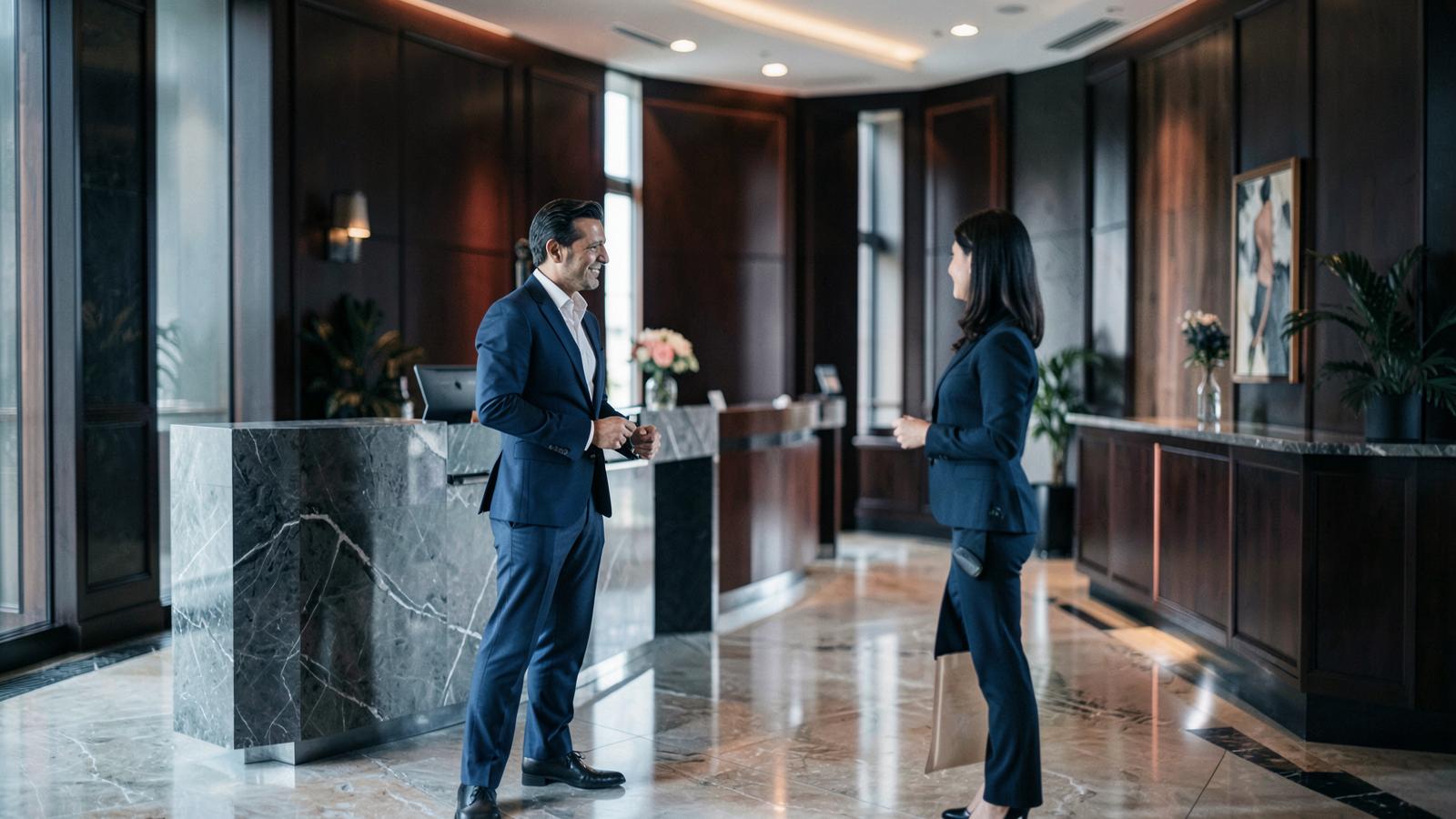
At reception, a disoriented visitor does not always ask a question: they may search for a sign, hesitate at a door or remain in the background. The managerial question is specific: does managing reception through processing speed risk overlooking these still-unspoken needs?
What the literature establishes
John M. Darley and C. Daniel Batson (1973, Journal of Personality and Social Psychology) studied helping behaviour among theology students who encountered a person apparently in distress along their route. Participants placed under strong time pressure stopped to help less often than those with more time available. The experiment shows that circumstances can influence helping behaviour, even among people whose training makes that behaviour particularly relevant.
A visible need is not necessarily noticed
Daniel J. Simons and Christopher F. Chabris (1999, Perception) showed that observers absorbed in a counting task could fail to notice an unexpected event that was plainly visible. This finding concerns visual attention, not customer reception or time pressure as such. It nevertheless offers a complementary mechanism to consider: focusing attention on an assigned task can leave events outside that task beyond conscious awareness.
The premature conclusion
It would be tempting to conclude that simply slowing reception down would make it more attentive. These studies demonstrate neither that slower service provides better help nor that a hurried employee necessarily lacks empathy. Instead, they suggest distinguishing the speed of handling an explicit request from the ability to recognise that a request has yet to be voiced. (our executive and employee training programmes)
What the evidence cannot settle
A staged encounter with a person in distress and a video-based perception task do not reproduce a multilingual professional reception setting governed by security requirements. These experiments therefore do not establish the effect of a throughput target on reception quality in a Basel company. A dashboard limited to completed requests nevertheless remains incomplete: by design, it does not record needs that never received attention.
A practical check in Bâle
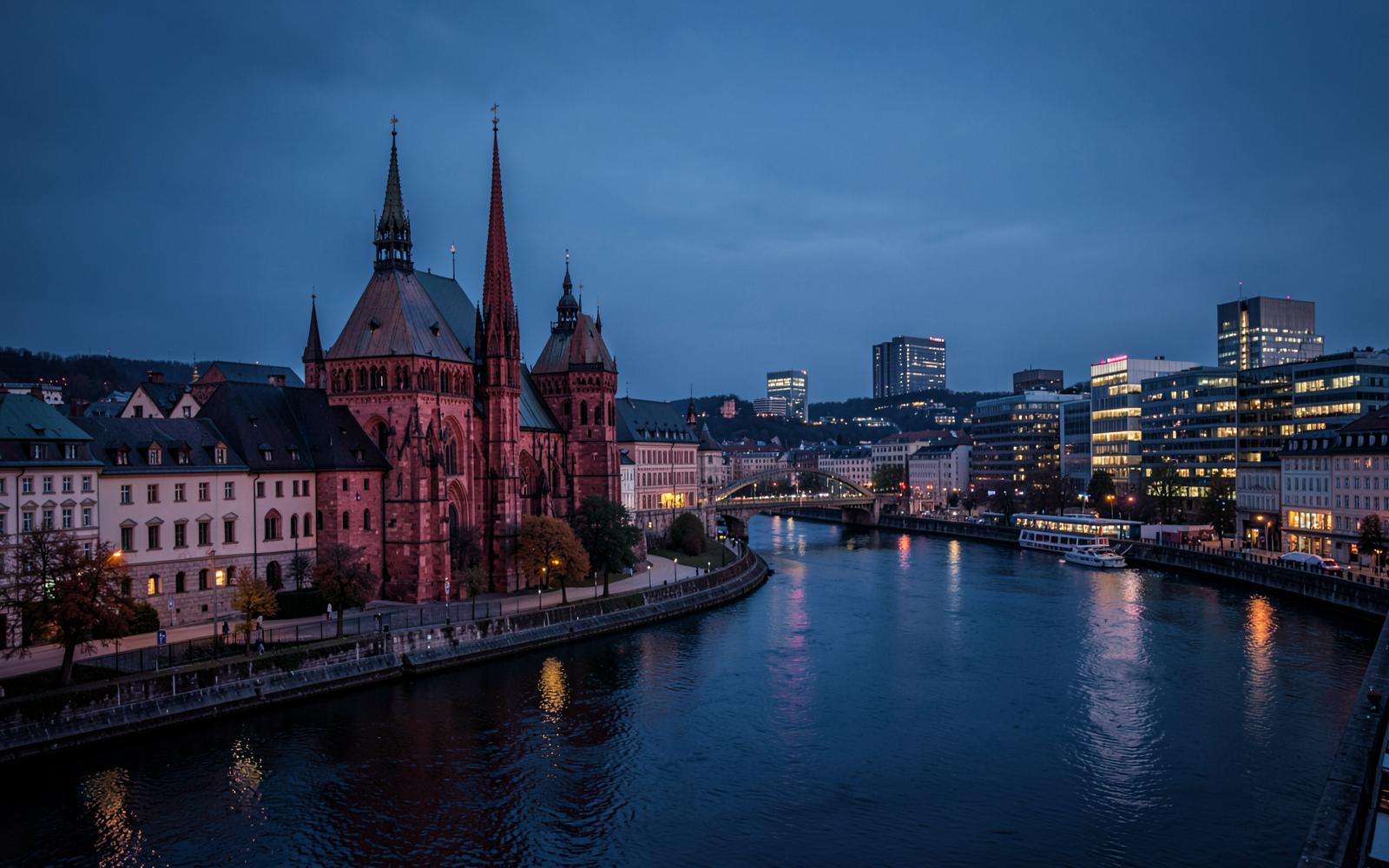
Within SHR’s « Accueil client » programme, an exercise could be offered in Basel using scenarios involving a pharmaceutical or life sciences visitor, an international R&D partner and a carrier working in Rhine logistics. In announced simulations, a visitor displays a predefined sign of hesitation without explicitly asking for help; the team then tests an instruction allowing a brief visual check of the reception area between cases, except during critical operations. The measure is the proportion of these situations followed by an offer of help before an explicit prompt, comparing sessions with and without the instruction while also recording processing errors. This test explores a local practice without secretly assessing employees or confusing availability with relaxed access controls. To go further: explore the Client Reception training in Basel, or browse our executive and employee training programmes in Switzerland.
In pictures: Client Reception in Basel
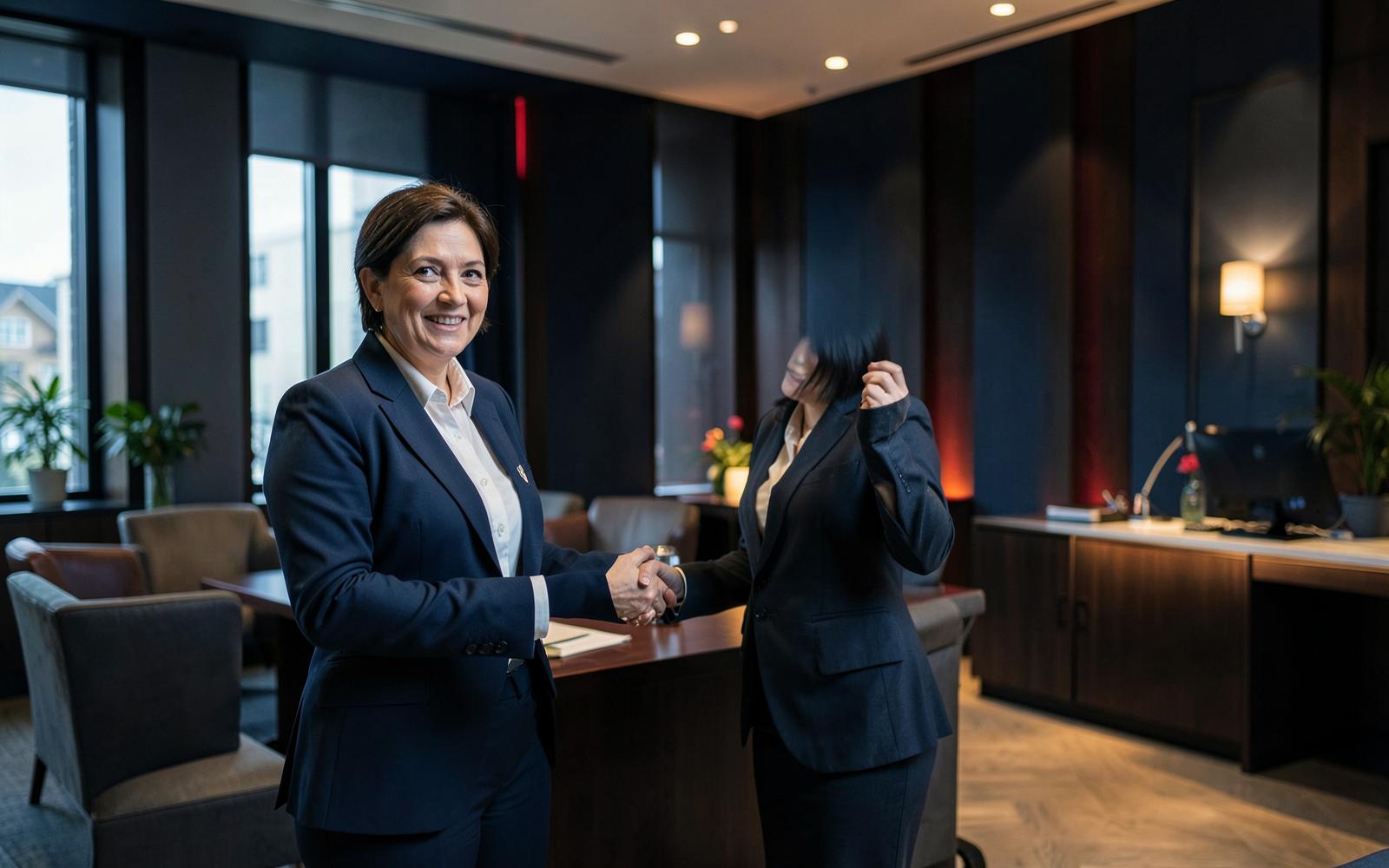
- client reception
- Basel
- research
- training basel