
Customer reception: when advice becomes suspect

At the first point of contact, answering a request and suggesting an additional service often form part of the same conversation. The managerial question is precise: how can staff move from assistance to a commercial recommendation without casting doubt on the assistance that came before it?
What the literature establishes
Marian Friestad and Peter Wright (1994, Journal of Consumer Research) propose a model in which consumers draw on their knowledge of persuasive intentions and tactics to interpret commercial encounters. Customers therefore assess not only the proposal but also why it is being made. This work provides a theoretical framework, not experimental proof that a particular wording would improve customer reception.
The mechanism: inferring an intention
Margaret C. Campbell and Amna Kirmani (2000, Journal of Consumer Research) demonstrate experimentally that the use of this knowledge depends in particular on the accessibility of an ulterior motive and the cognitive resources available. In their sales scenarios, assessments of the salesperson's sincerity vary with the conditions that allow a persuasive intention to be inferred. For customer reception, these findings suggest that the circumstances of a recommendation matter alongside its content when interpreting a customer's response.

The hasty conclusion
One might conclude that any commercial proposal should be avoided at the first contact. These studies do not justify such a ban: an intention to sell implies neither useless advice nor deception. The more useful distinction concerns whether customers can recognise the transition from handling their request to making an additional proposal. (our executive and employee training programmes)
What the evidence cannot prescribe
The theoretical framework and experiments cited do not directly measure the effects of customer reception training in Ticino businesses. Nor do they establish that explicitly announcing a commercial intention always increases trust or sales. Assessing reception solely through additional sales would nevertheless leave a separate question unanswered: was the original request handled independently of the proposed purchase?
A practical check in Lugano
Within SHR's « Accueil client » programme, an exercise to test in Lugano would explicitly distinguish the response to the customer's request from an optional proposal, in a bank, fashion boutique, trading company or Italian-speaking family SME. One possible transition would be: « Per la sua richiesta, il prossimo passo è questo; se desidera, posso anche presentarle un servizio aggiuntivo. » Over two weeks, for each interaction involving an additional proposal, record without personal data whether an answer or next step was provided for the original request and whether the proposal was presented as optional, then calculate the proportion meeting both criteria. This check assesses an observable practice, not an increase in trust; its interpretation should therefore remain separate from the sales conversion rate. To go further: explore the Client Reception training in Lugano, or browse our executive and employee training programmes in Switzerland.
In pictures: Client Reception in Lugano
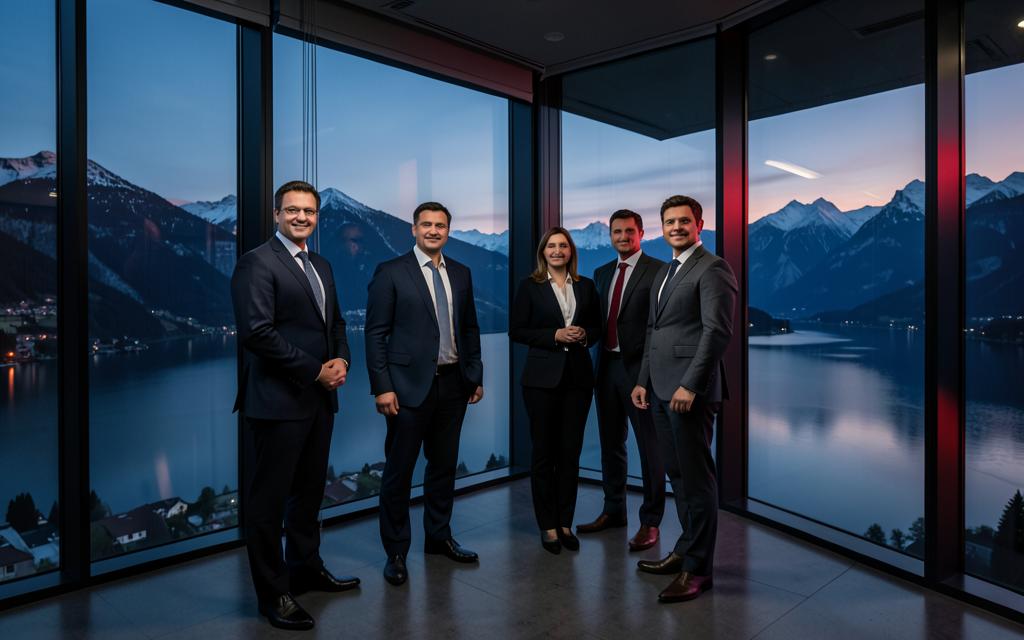

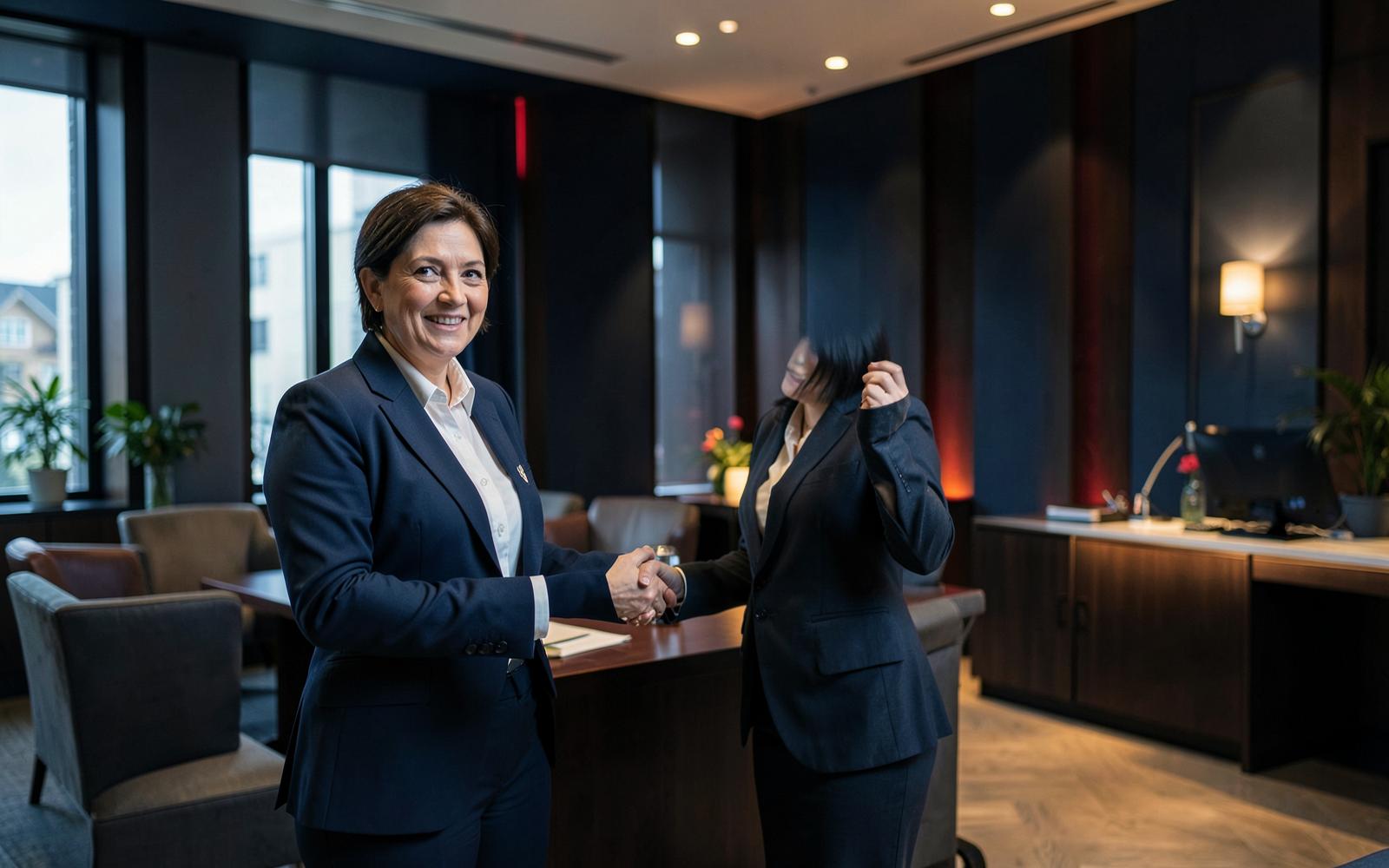
- client reception
- Lugano
- research
- training lugano