
Customer reception: do not mistake silence for independence
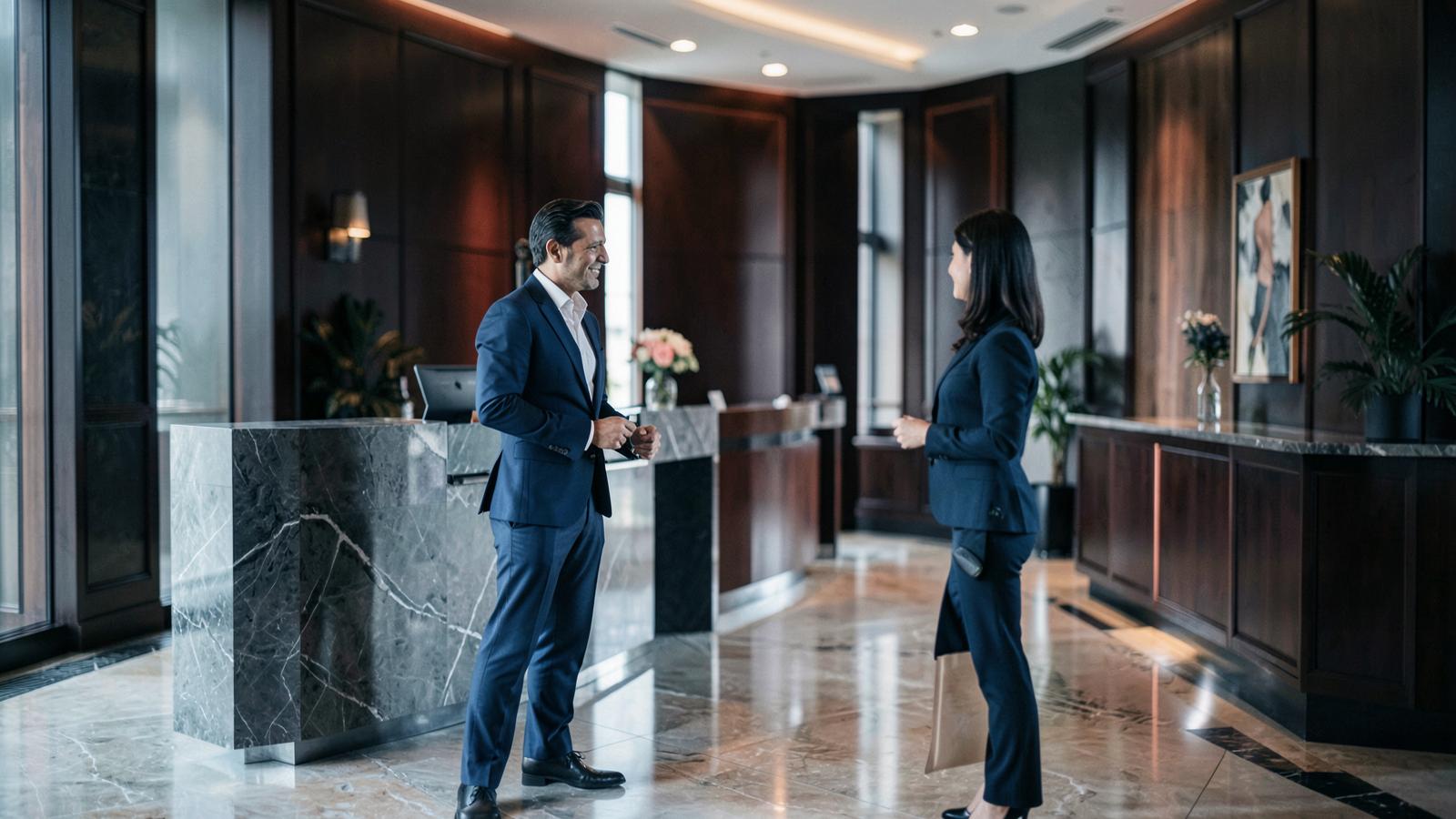
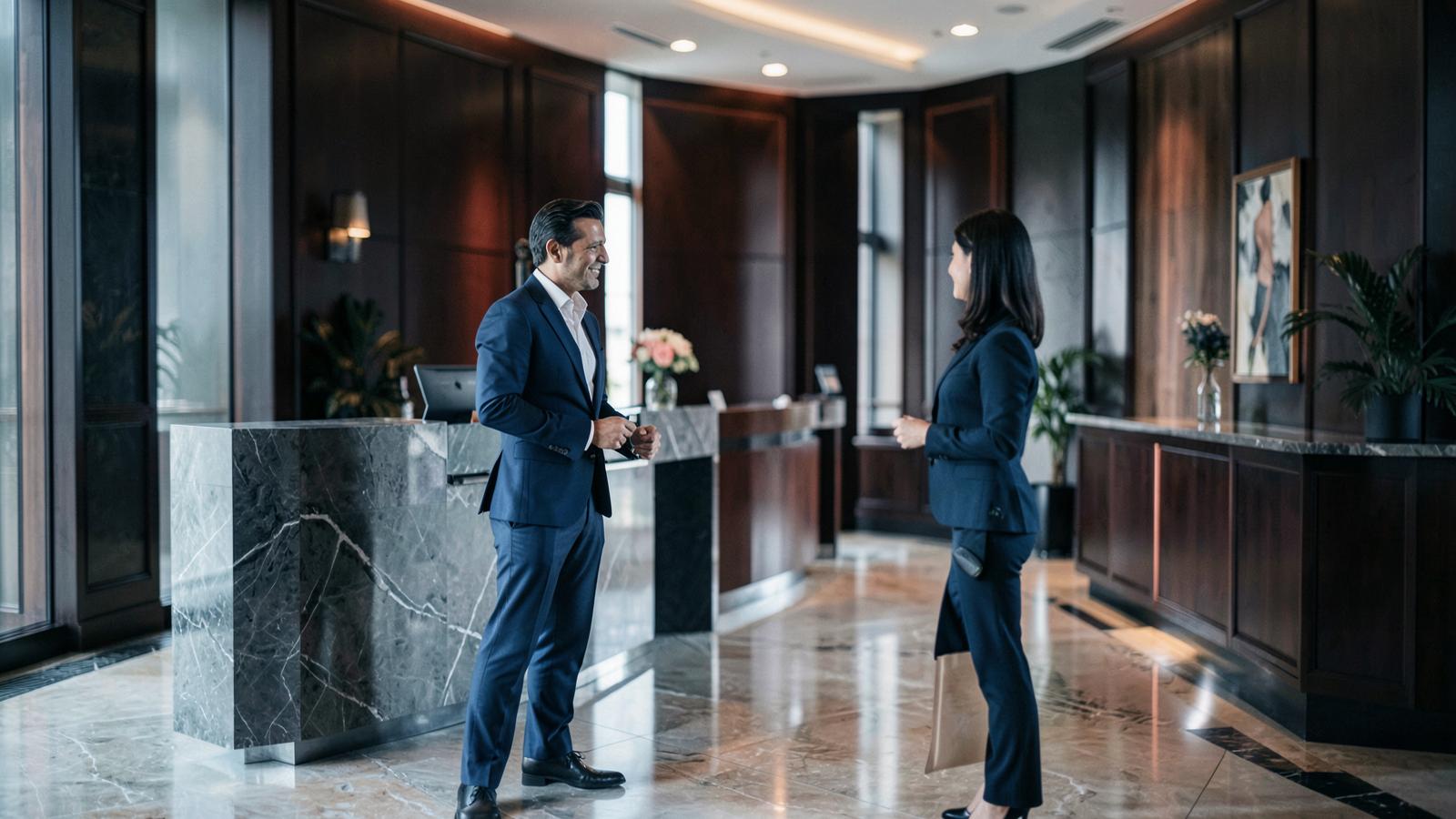
At reception, an absence of questions is sometimes taken as evidence that the visitor journey is clear enough. The managerial question is more precise: how can we check that visitors know how to proceed, rather than feel reluctant to ask for help?
What the literature establishes
Francis J. Flynn and Vanessa K. B. Lake (2008, Journal of Personality and Social Psychology) show that people seeking help underestimate the likelihood that a direct request will be accepted. Their research highlights insufficient attention to the social cost of refusing for the person being asked. It establishes a gap between anticipated and actual help, not that asking is easy.
The cost of asking, seen from the other side
Vanessa K. B. Bohns and Francis J. Flynn (2010, Journal of Experimental Social Psychology) show that potential helpers underestimate the embarrassment associated with seeking help. From behind the reception desk, being available may therefore seem sufficient, although availability does not necessarily remove a visitor's discomfort. Applied to reception, this mechanism offers a hypothesis to test, rather than an automatic explanation for every instance of silence.

The premature conclusion
One might conclude that assistance should be offered systematically at every stage. However, these studies do not compare different reception policies or demonstrate that continuous support is superior. The aim is to make asking feel legitimate and easy, without turning an offer of help into an imposed intervention. (our executive and employee training programmes)
What the data and routine indicators do not tell us
These studies do not specifically examine reception settings in Lausanne or the particular requirements of medtech and higher education environments. They do not allow a need for help to be inferred from silence alone. The number of requests received therefore remains ambiguous: an increase may indicate a less clear journey, but also help that has become more accessible.
A practical check in Lausanne
Within SHR's “Accueil client” programme, an exercise relevant to medtech companies, higher education institutions, international sports organisations and scale-ups across the Lake Geneva region would test an explicit invitation: “If any step is unclear, we can look at it together.” In Lausanne, alternating comparable time slots with and without this invitation, while keeping staff availability unchanged, would allow its local effect to be examined. An optional, anonymous exit question — “Did you need help but not ask for it?” — would provide an indicator: the proportion of positive answers among responses collected. Comparing this proportion and the response rate across time slots would be more informative than counting requests alone, though it would not establish causality if visitor profiles differ. To go further: explore the Client Reception training in Lausanne in the canton of Vaud, or browse our executive and employee training programmes in Switzerland.
In pictures: Client Reception in Lausanne
- client reception
- Lausanne
- research
- training lausanne