
Public speaking in Neuchâtel: do the first reactions shape those that follow?
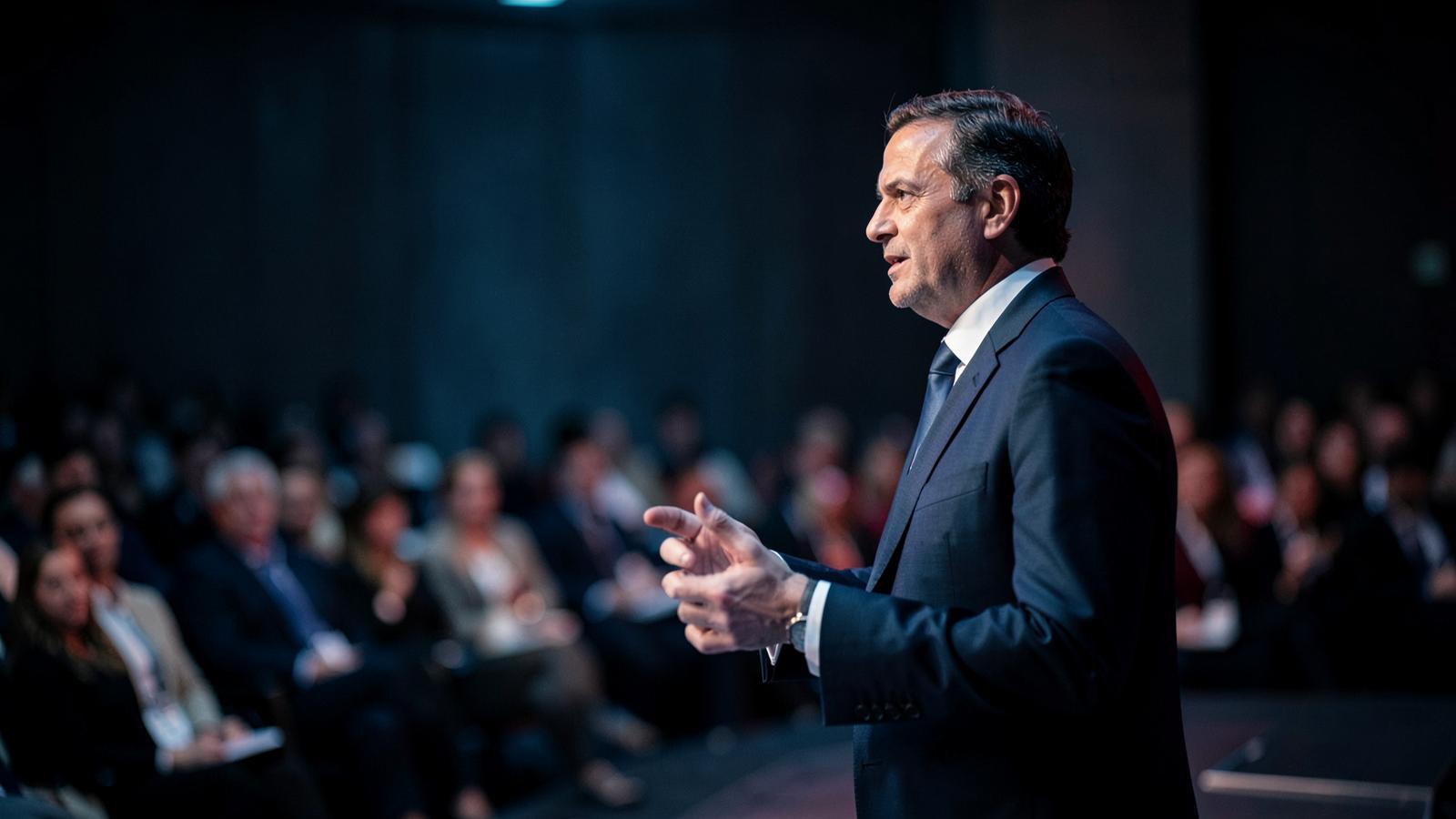
After a technical presentation, an enthusiastic first comment can set the tone for the entire discussion. The management question is specific: should individual assessments be collected before the group's reactions become visible?
What the literature establishes
Lev Muchnik, Sinan Aral and Sean J. Taylor (2013, Science) randomly manipulated the initial ratings of comments on an online platform to observe their influence on subsequent ratings. An artificial positive rating encouraged later positive ratings, whereas negative manipulation produced a different dynamic, including corrective responses. The experiment establishes that, in this setting, a visible rating does not merely reflect collective judgement: it helps to produce it.
When visibility makes success less predictable
Matthew J. Salganik, Peter Sheridan Dodds and Duncan J. Watts (2006, Science) studied an experimental music market in which participants could, depending on the condition, see other people's choices. Social influence increased both the inequality of outcomes and their unpredictability across separate groups. Quality did not become irrelevant, but it was not sufficient to determine the collective trajectory.

The premature conclusion
One might conclude that all audience reactions must be suppressed to obtain a valid assessment. These studies do not justify that rule: discussion can also reveal a technical flaw or a constraint that an individual had not identified. The useful distinction is between a judgement expressed before discussion and one that results from information or reactions made public. (our executive and employee training programmes)
What these data cannot establish
These experiments concern online comments and music choices, not presentations to an industrial committee. They therefore cannot quantify the effect of an initial compliment, applause or a senior manager's intervention in a Neuchâtel company. In practice, measuring only the satisfaction expressed after discussion cannot distinguish the initial assessment from what the discussion changed.
A practical check in Neuchâtel
Within SHR's “Public Speaking & impact” programme, an exercise suitable for microtechnology, watchmaking and precision microelectronics teams is to present a technical recommendation, then collect confidential individual assessments before any discussion. Each participant states whether the evidence presented justifies a pilot trial and gives the main reason for that assessment; the same responses are collected after discussion, using a code to match them. The measure is the proportion of assessments that changed, together with the reasons given and a record of the new information actually introduced. This check makes shifts in judgement observable without claiming that every change is attributable to conformity. To go further: explore the Public Speaking & Impact training in Neuchâtel in the canton of Neuchâtel, or browse our executive and employee training programmes in Switzerland.
In pictures: Public Speaking & Impact in Neuchâtel

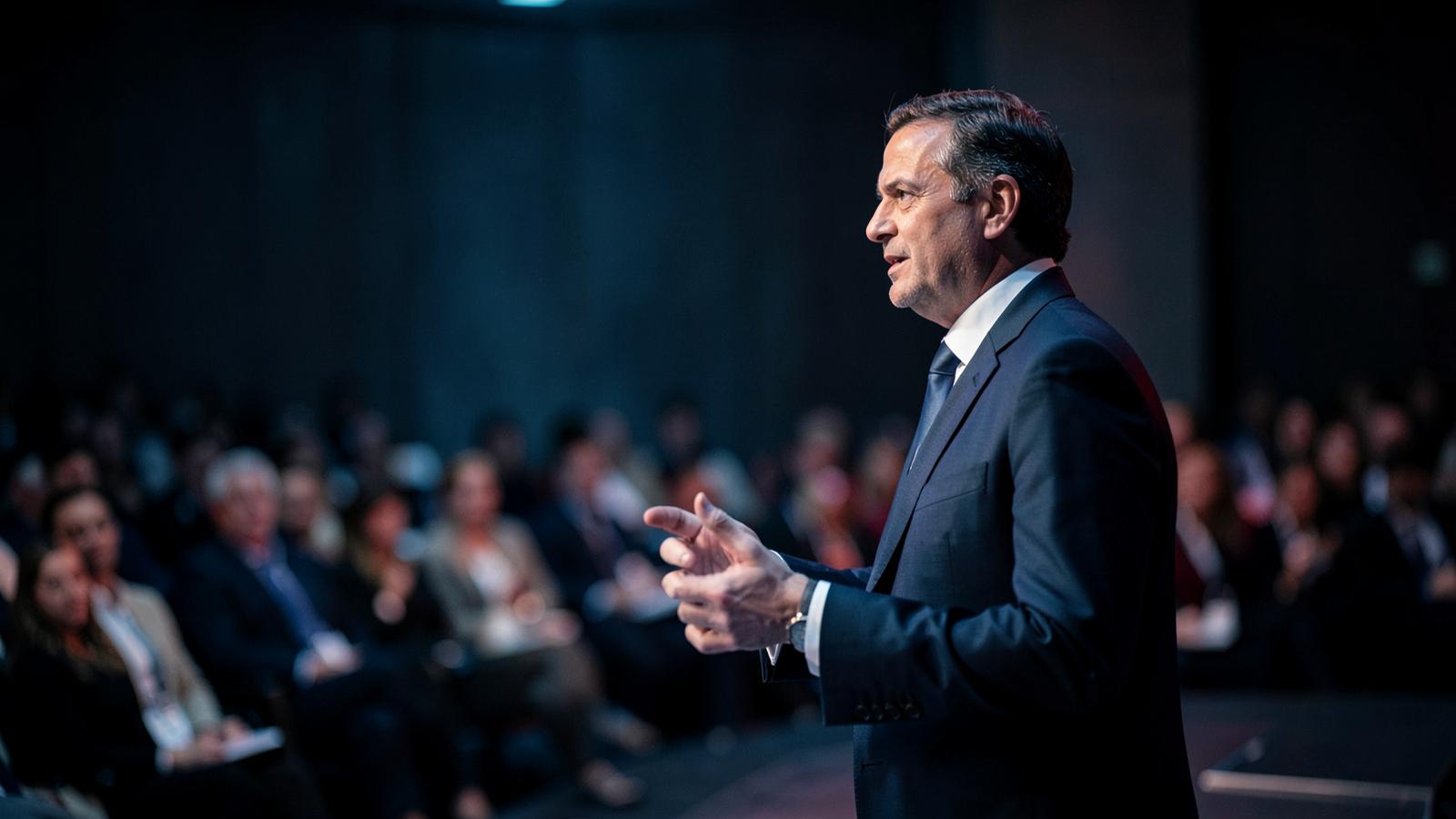

- public speaking & impact
- Neuchâtel
- research
- training neuchâtel